
Published by
Adamu Elisha
Date
March 12, 2026
Community Rating
0.0 / 5.0
Introduction
Sustainable development focuses on meeting today’s energy needs without compromising the ability of future generations to meet their own needs. As global energy demand continues to grow, renewable energy sources have become essential for building a cleaner and more resilient future. Among these sources, solar energy stands out as one of the most accessible and sustainable solutions.
Solar power harnesses energy from the sun using photovoltaic (PV) panels or solar thermal systems. Because the sun is an abundant and renewable resource, solar energy plays a crucial role in reducing dependence on fossil fuels and lowering environmental pollution.
The Role of Solar Energy in Sustainable Development
Solar energy contributes to sustainable development in several key ways:
1. Clean and Renewable Energy
Unlike fossil fuels, solar energy produces electricity without emitting greenhouse gases during operation. This helps reduce air pollution and slows the effects of climate change.
2. Energy Accessibility
Solar power can be deployed in remote and rural areas where traditional electricity infrastructure is limited. Small solar systems and mini-grids provide reliable power for homes, schools, and healthcare facilities.
3. Economic Growth and Job Creation
The solar industry creates jobs in manufacturing, installation, maintenance, and research. As more countries invest in renewable energy infrastructure, solar energy continues to drive economic opportunities.
4. Reduced Energy Costs
Over time, solar energy systems can reduce electricity costs for households and businesses. Once installed, solar panels require minimal maintenance and generate electricity for decades.
Environmental Benefits
Solar energy significantly reduces the environmental impact associated with traditional energy sources. It lowers carbon emissions, conserves water used in power generation, and decreases the extraction of non-renewable resources such as coal and oil.
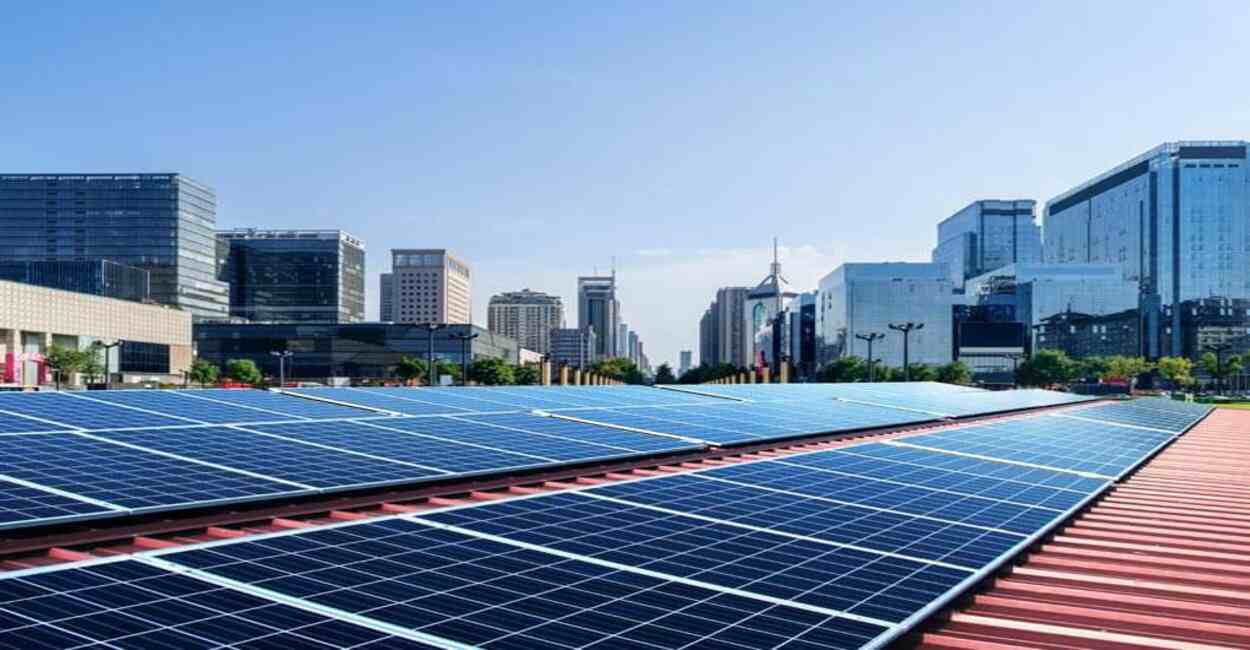
In addition, solar systems can be integrated into existing infrastructure, including rooftops, parking lots, and open land, minimizing the need for large-scale environmental disruption.
Challenges and Future Opportunities
Despite its advantages, solar energy still faces several challenges. Initial installation costs can be high, and energy production depends on sunlight availability. However, advances in battery storage, improved panel efficiency, and supportive government policies are helping overcome these challenges.
Technological innovation continues to improve solar performance, making it more affordable and reliable. Smart grids, energy storage systems, and hybrid renewable solutions are expected to further strengthen solar energy’s role in sustainable development.
Conclusion
Solar energy is a cornerstone of sustainable development. By providing clean, reliable, and renewable power, it supports environmental protection, economic growth, and energy security. As technology advances and adoption increases, solar energy will continue to play a vital role in shaping a more sustainable and resilient global energy future.
Discussion & Reviews
0Overall Rating
Posting as Anonymous
Be the first to share a localized perspective